The office lunch problem
Between meetings, short breaks, and little energy to cook at night, work lunches often fall into three options:
- takeout every day (expensive and repetitive);
- the same sandwich on repeat;
- no plan at all—and hunger by 4 p.m.
You need ideas that are simple, portable, and satisfying, not restaurant menus.
3 rules for an office lunch that works
- Prep at night (or batch on Sunday): 15–20 minutes is enough for 2–3 lunches.
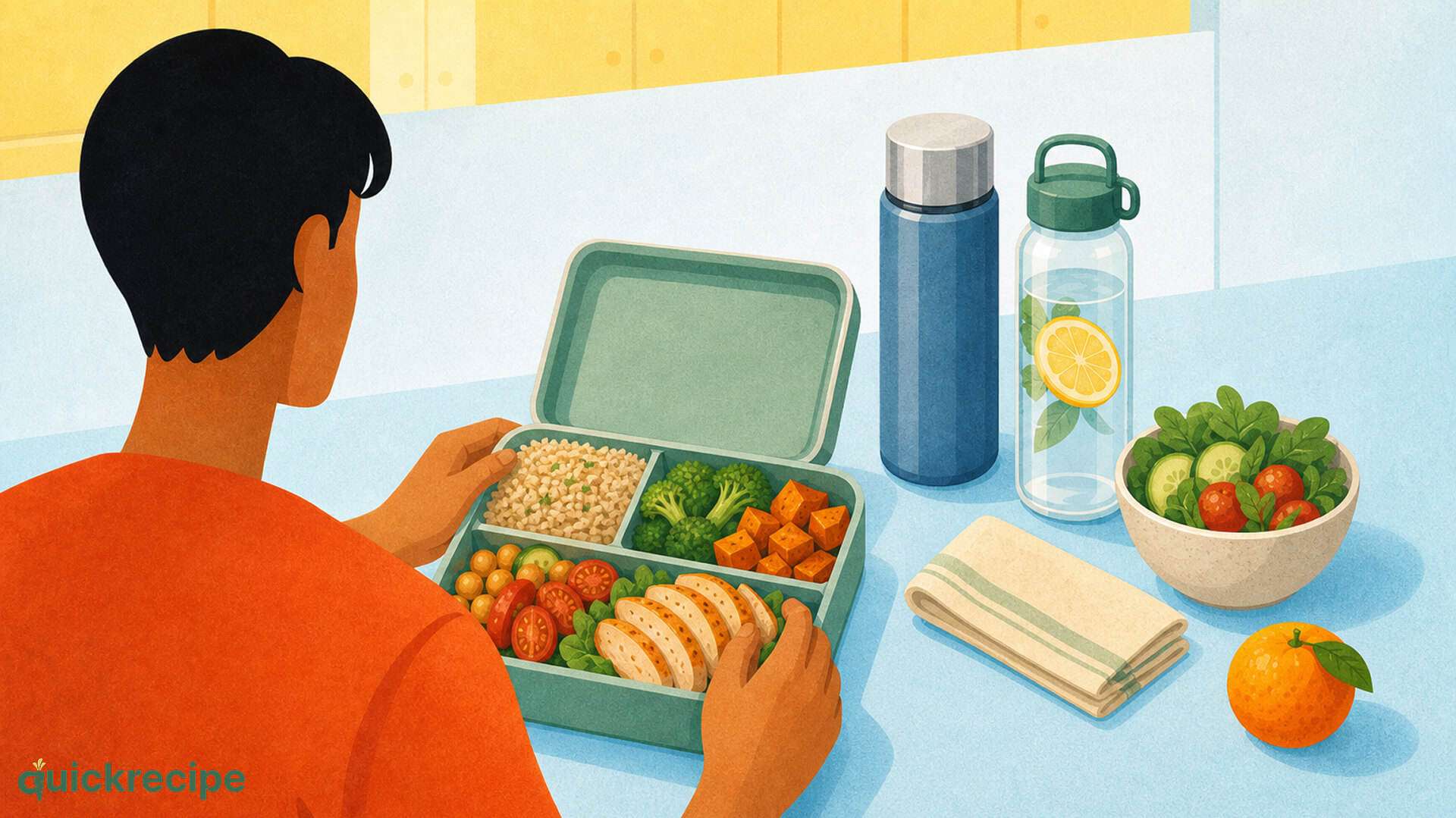
- Use the “base + protein + veggies” format: it’s balanced and easy to vary.
- Start with what you already have: less waste, and you don’t reinvent shopping every time.
8 practical ideas (easy to pack)
1. Grain bowl + legumes + vegetables
Rice, farro, or quinoa with chickpeas/beans, cooked or raw veggies, oil, and spices. Make it ahead and eat it warm or at room temperature.
2. Cold “fridge” pasta
Short pasta, tuna or mozzarella, cherry tomatoes, olives, herbs. Best if the pasta is al dente and lightly oiled so it doesn’t dry out.
3. Wrap or flatbread
Tortilla/flatbread with hummus or Greek yogurt, chicken/eggs/legumes, and crunchy vegetables. Wrap tightly and keep sauces separate if you can.
4. A “complete” salad (not just leaves)
Greens + a carb source (potatoes, couscous, bread) + protein + a good fat (avocado, seeds, oil). Without carbs and protein, you’re hungry again by 3 p.m.
5. Sliced frittata
Eggs + vegetables (zucchini, spinach, peppers) cooked the night before, cut into slices. Easy to pack and works cold too.
6. Leftover Buddha bowl
Reuse last night’s dinner: some protein, a veggie side, a grain. The best office lunch often starts with leftovers.
7. Poke-style or rice bowl
Rice, canned fish or tofu, cucumber, edamame/corn, soy sauce or yogurt. Fast, fresh, low fuss.
8. Soup or purée in a thermos
Great in winter: minestrone, lentils, pumpkin soup. Hot, filling, almost zero morning prep.
How to vary without losing time
You don’t need a new recipe every day. Change just one element:
- same rice base, different protein;
- same frittata, different vegetable;
- same wrap, different sauce.
That way meal prep stays sustainable even in the busiest weeks.
Where QuickRecipe helps
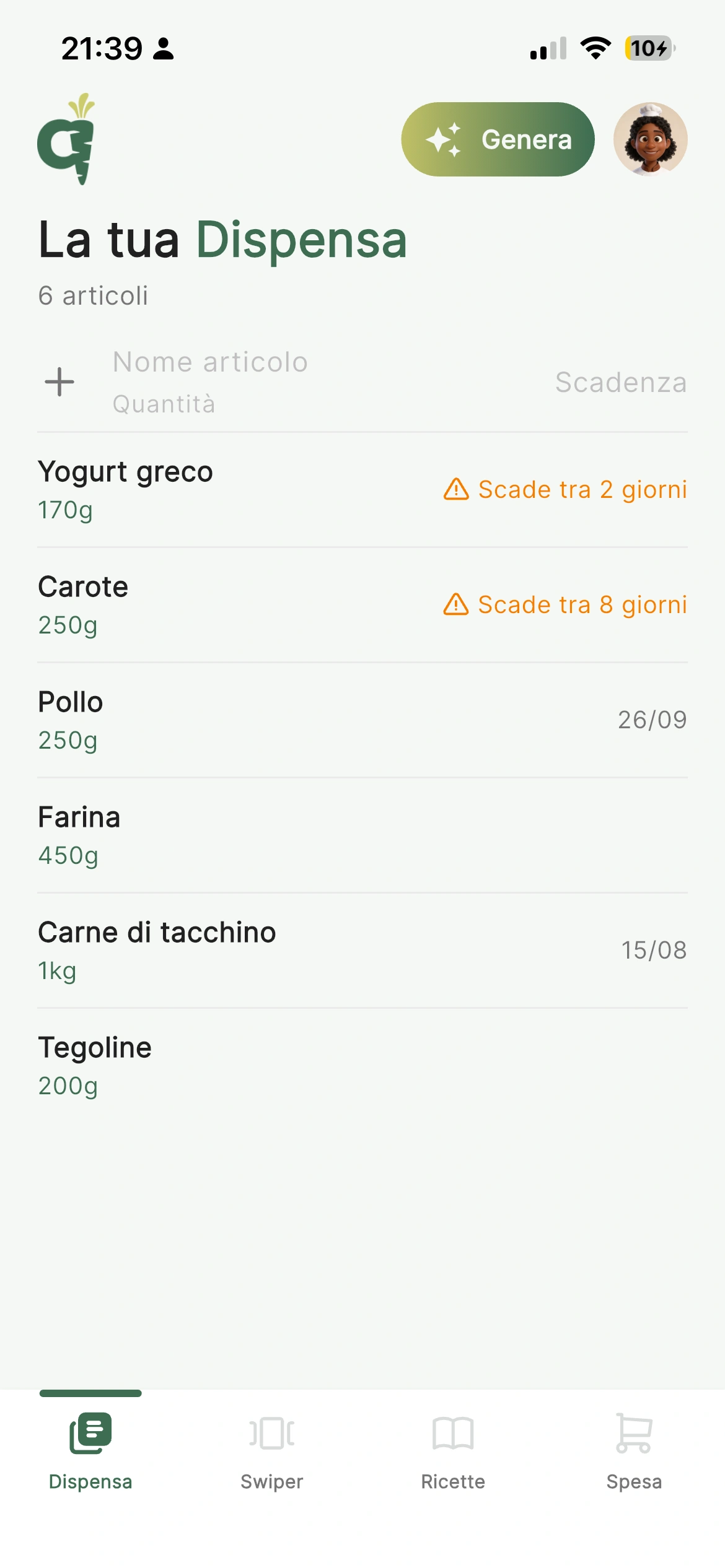
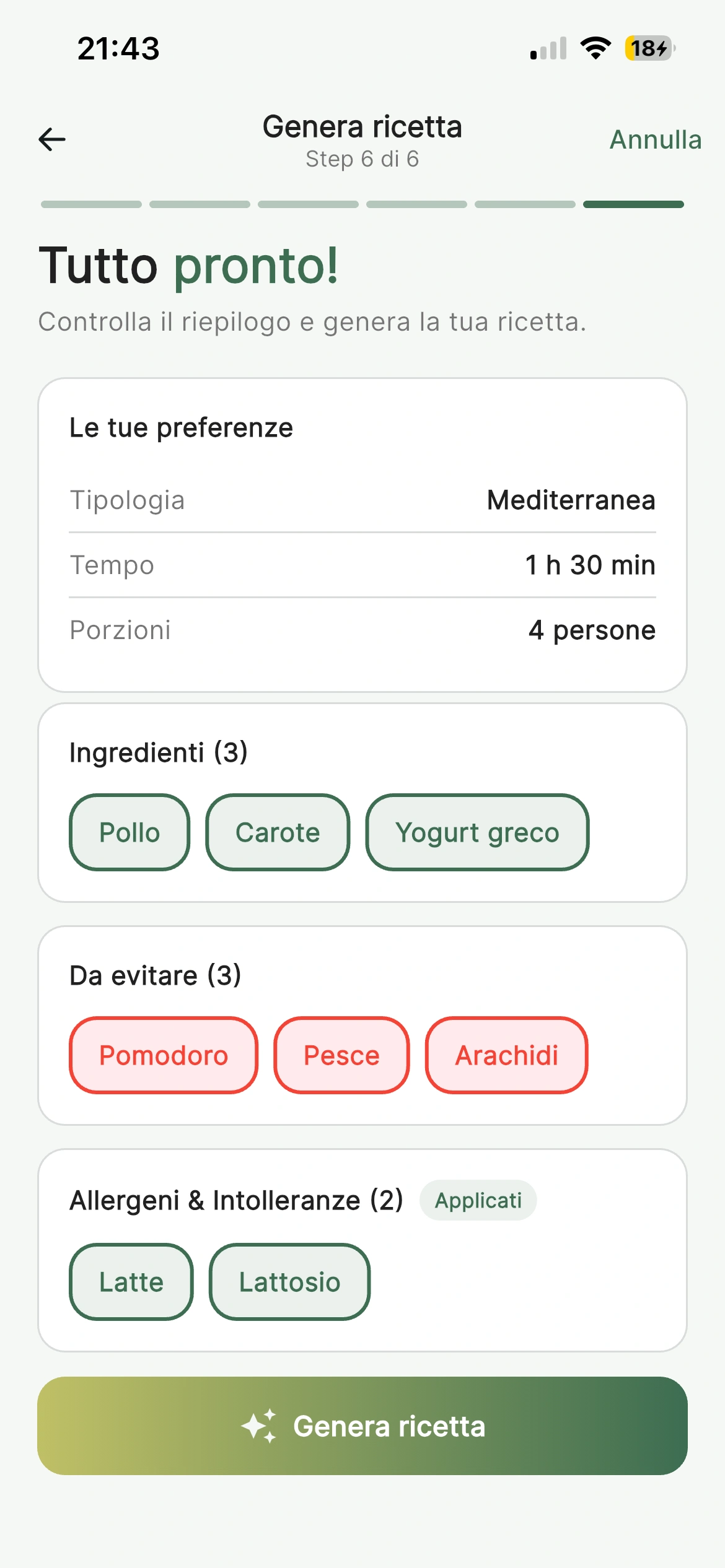
If you’re tired at night and don’t know what to prep for tomorrow, enter the ingredients in your fridge into QuickRecipe and pick quick recipes—even single servings. You can set time and preferences (vegetarian, gluten-free, allergies) and get concrete ideas instead of staring into an inspiration-free fridge.
Bringing lunch to work shouldn’t be a second job: with a fixed format, a few rotating ideas, and help turning ingredients into recipes, you save money, eat better, and get home less drained.