

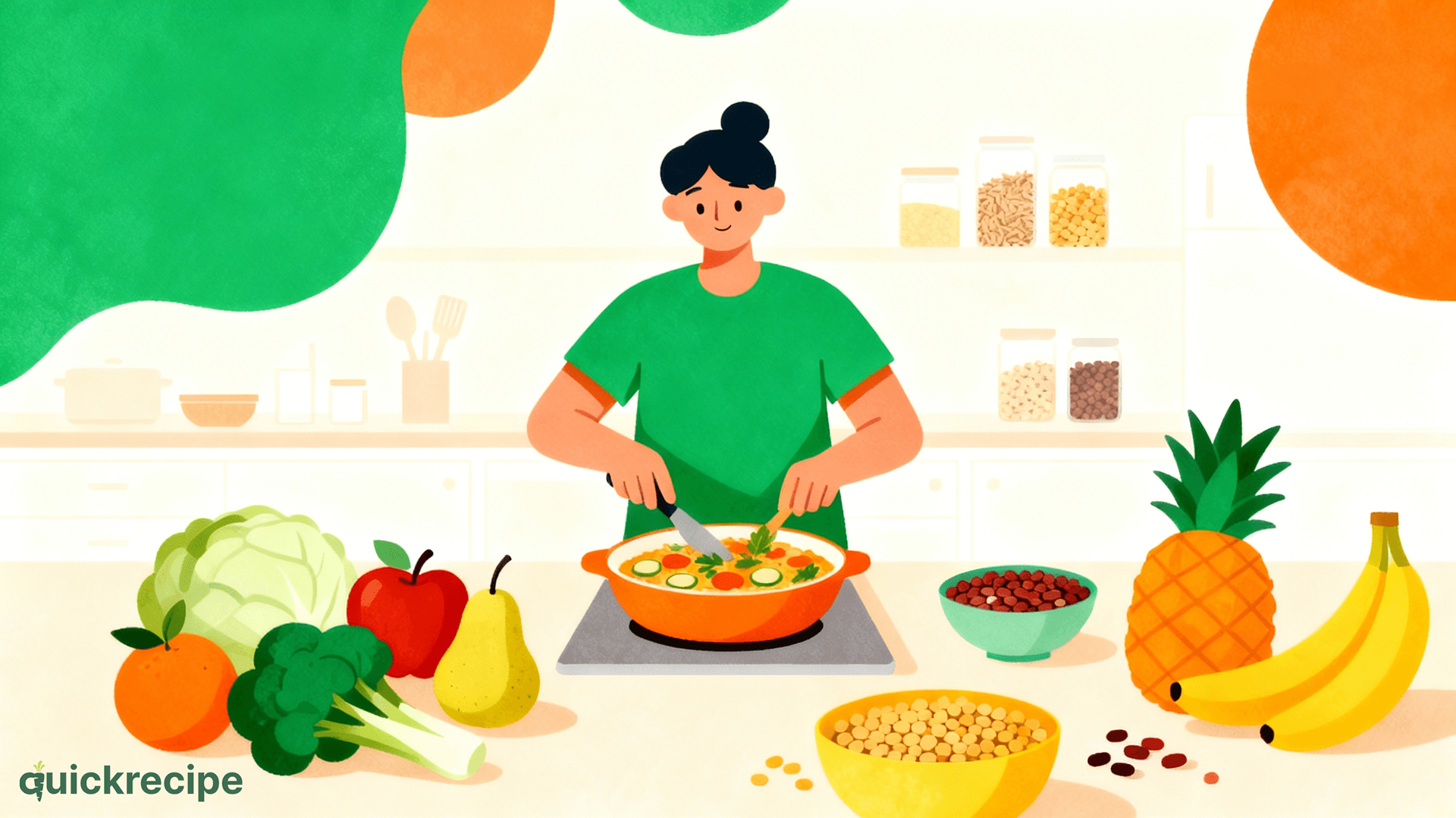
Everyone knows they should eat well, but few actually succeed
Almost everyone knows that a balanced diet is important for health, energy and disease prevention, but maintaining it every day is much more complicated than it seems on paper. Between work, stress, lack of time and shortage of meal ideas, it’s easy to end up improvising with whatever’s available or ordering something on the go, even if you know the official guidelines for healthy eating.
What “balanced diet” really means
A balanced diet is not a “crash diet,” but a way of eating that, over time, ensures the right intake of energy and nutrients. In practice it means:
- Variety of foods throughout the week (cereals, vegetables, fruits, legumes, fish, meat, dairy, nuts).
- Balance between carbohydrates, proteins and fats, with an eye on fat quality and fiber presence.
- Predominance of minimally processed foods, inspired by the Mediterranean diet and guidelines for healthy eating.
When this balance is maintained over time, it helps control weight, support the cardiovascular system and reduce the risk of chronic diseases.
Why it’s so difficult to follow in real life
The problem is that there’s a huge gap between theory and practice. The most common difficulties are:
- Little time to cook and organize: between work, family and various commitments, you often arrive at dinner time without a plan and with little energy to think about what to prepare.
- Lack of concrete ideas: even knowing what “would be right to eat,” it’s difficult to invent different and balanced dishes every day with what you have at home.
- Unplanned shopping and waste: you buy “healthy” ingredients with the best intentions, but then lack ideas to use them and they end up wasted.
- Too rigid or complicated diets: extreme or poorly personalized meal plans are difficult to maintain in the long term and often lead to frustration and abandonment.
The result is that many people oscillate between “perfect” periods and periods of total disorder, without finding a sustainable balance.
Where technology comes in (when used well)
Technology, if designed with common sense, can transform theoretical guidelines into practical everyday choices. In particular it can help to:
- Translate general goals (“eat more vegetables,” “reduce fried foods”) into concrete dish ideas starting from the real ingredients you have in your fridge and pantry.
- Reduce the mental effort of “inventing what to cook” every day, lightening decision fatigue.
- Keep an eye on portions, frequency of certain foods and nutritional values in a simple way, without having to do complex calculations.
The goal is not to replace a nutritionist, but to make it easier to put general indications into practice consistently with your daily life.
How QuickRecipe can help you eat more balanced
QuickRecipe is designed precisely to bridge the gap between “I know I should eat better” and “what do I cook tonight with what I have at home.” Some concrete ways it can help:
- Transform real ingredients into balanced dishes: enter what you have in your fridge (vegetables, cereals, proteins, legumes) and AI generates complete recipes with doses and steps, helping you use healthy foods more often without complicating your life.
- Respect diet, allergies and personal goals: you can indicate if you follow a vegetarian, vegan, low-carb or gluten-free diet and report allergies or intolerances, so the proposed recipes are already compatible with your needs.
- Shows nutritional values per serving: every recipe includes calories and macros, so you can have more awareness of what you eat without having to build Excel files or use complicated tools.
- Reduces waste and last-minute decisions: starting from the ingredients you already have, it helps you use your shopping better and organize meals more consistent with guidelines for good nutrition.
In this way, a balanced diet stops being an abstract and distant goal and becomes a series of small daily choices that are easier to make, supported by a tool that works with you instead of adding stress.


